Videos

Curated video content from independent journalists and privacy advocates covering Flock Safety and ALPR surveillance.

These videos are not affiliated with or produced by this project. StopFlockSafety claims no ownership of this content. We link to them here to help guide your research and connect you with other voices fighting for transparency and accountability in ALPR surveillance. If you own a video linked on this page and wish to have it removed, please email stopflocksafety@proton.me with the subject line "Website Linked Video Takedown Request."

Flock Safety cameras help solve crimes. But who's watching the watchers?
Atlanta News First May 18, 2026

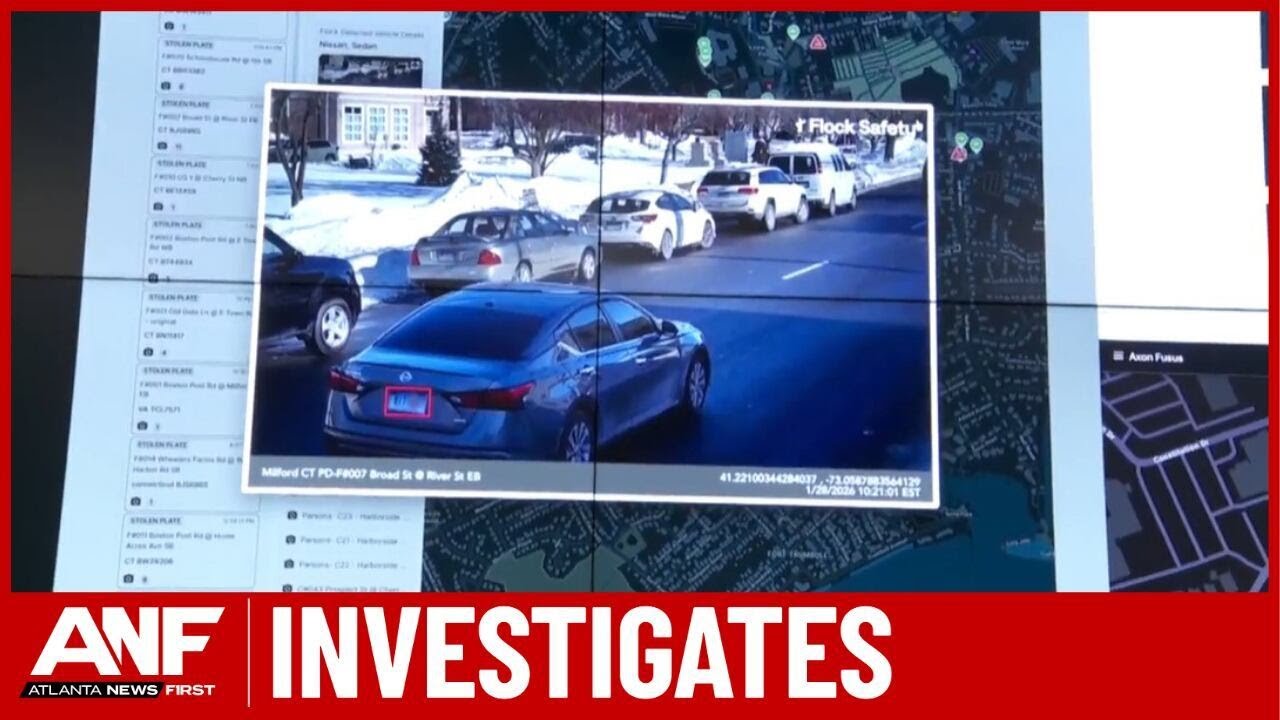
Flock Safety cameras help solve crimes. But who's watching the watchers?

Chief Investigative Reporter Brendan Keefe examines how Flock's ALPR network helps solve some crimes while ensnaring innocent people. The investigation features Colorado resident Chrisanna Elser, who was wrongly charged with package theft based on Flock images of her truck, and Jason Hunyar's records fight in Dunwoody where Flock executives accessed cameras at a Jewish Community Center.


Flock Cameras Are Turning The U.S. Into A Mass Surveillance Superstate!
The Jimmy Dore Show May 14, 2026

Flock Cameras Are Turning The U.S. Into A Mass Surveillance Superstate!

Comedian-commentator Jimmy Dore covers Flock's nationwide ALPR expansion and the growing pushback from cities and activists. The segment hits the Dunwoody live-camera abuse, the 60 livestreaming Condor cameras, and the broader debate over privacy versus claimed public safety benefits.

It's Time to Take Down Your Smart Cameras
Benn Jordan Apr 2, 2026

It's Time to Take Down Your Smart Cameras

Benn Jordan's latest long-form investigation expands his Flock research to the broader ecosystem of cloud-connected 'smart' cameras, tracing the industry from Marie Van Brittan Brown's 1966 patent to Amazon Ring's integration with police and insurance workflows. Jordan demonstrates deauth attacks, side-channel RF leakage, and traffic-metadata reconstruction attacks on consumer cameras, and cites research showing these devices provide no statistically significant crime-deterrence benefit.

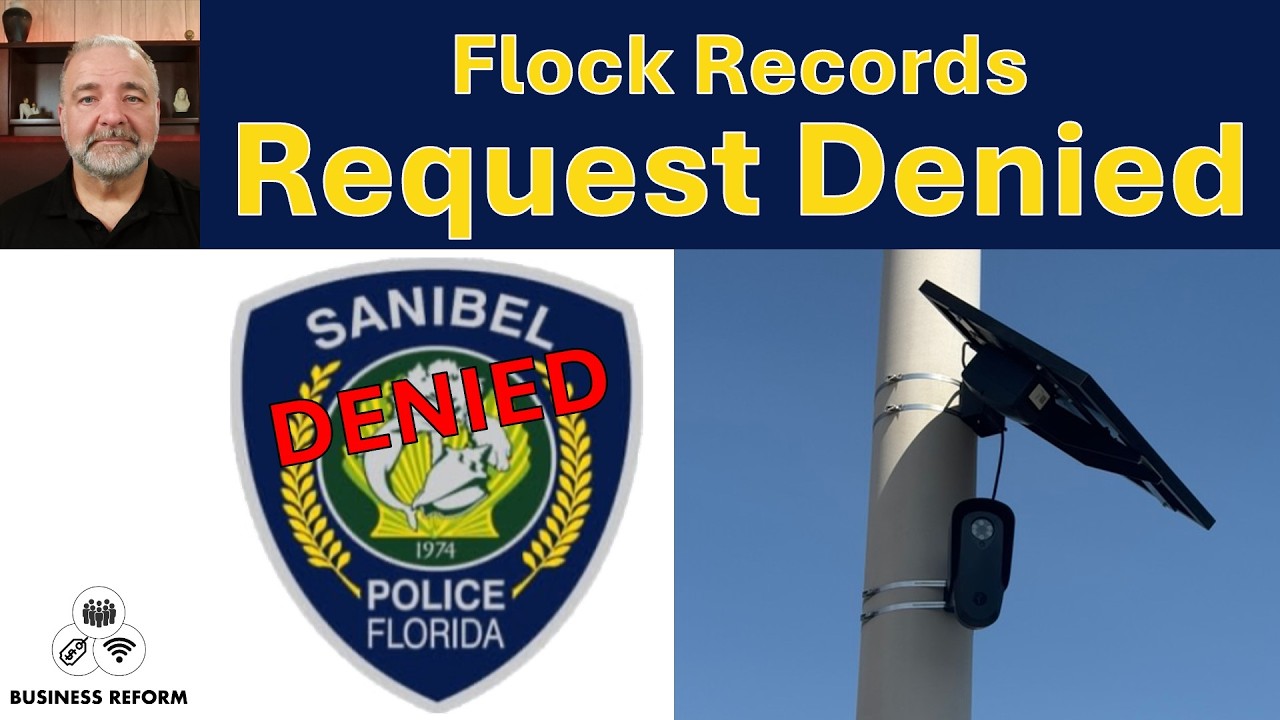
Sanibel Police Dept Refuse Open Records Request on Flock Safety Cameras
Business Reform Jan 30, 2026

Sanibel Police Dept Refuse Open Records Request on Flock Safety Cameras

A federal judge upheld Norfolk's ALPR dragnet and the Institute for Justice is appealing. This video explains how citizens can support the fight by using their state's public records law to obtain ALPR contracts and policy manuals from local law enforcement — and what happens when agencies like Sanibel PD refuse to comply.

Search Once. See Everything? Inside Flock NOVA
Business Reform Jan 8, 2026

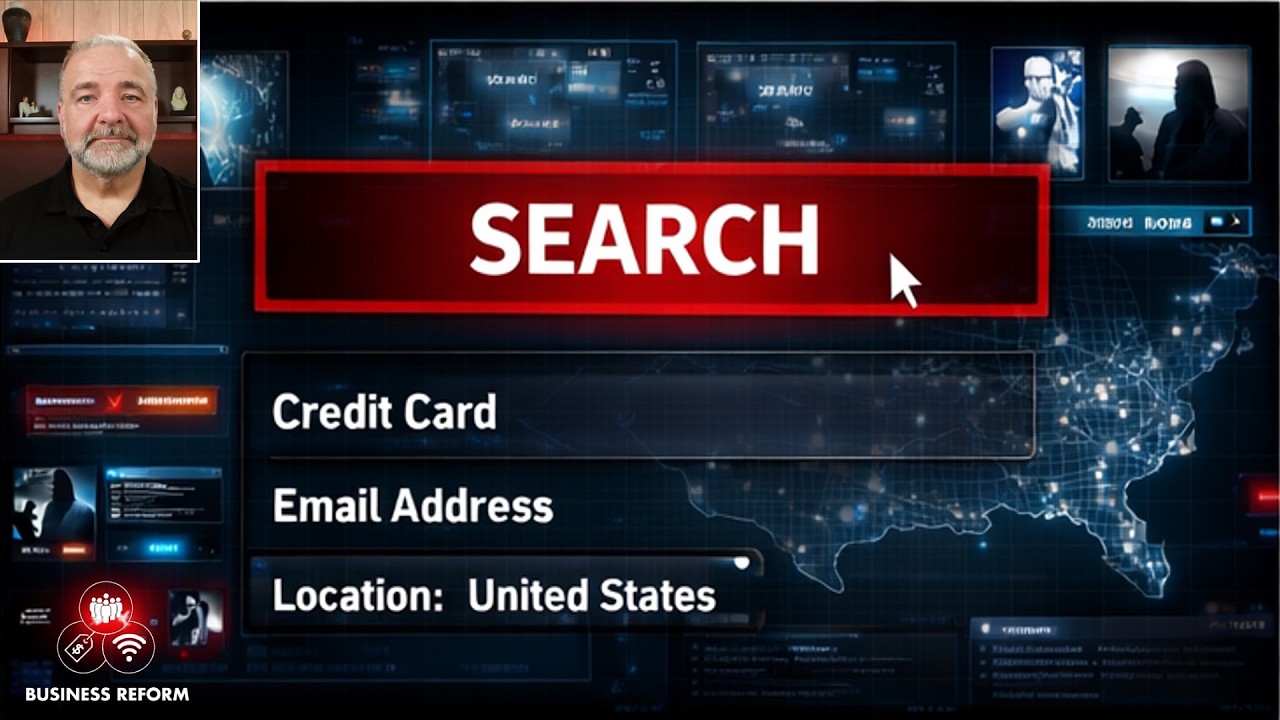
Search Once. See Everything? Inside Flock NOVA

In this video, Dr. Jon Padfield examines Flock NOVA, an AI-powered law enforcement platform marketed with the tagline "Search Once. See Everything." Drawing on claims and materials provided by a security researcher, publicly available documents, and real-world examples of technology misuse, this video explores how modern surveillance tools may undermine the Fourth Amendment's protections against unreasonable searches and seizures.

This Flock Camera Leak Is Like Netflix for Stalkers
Benn Jordan Dec 22, 2025

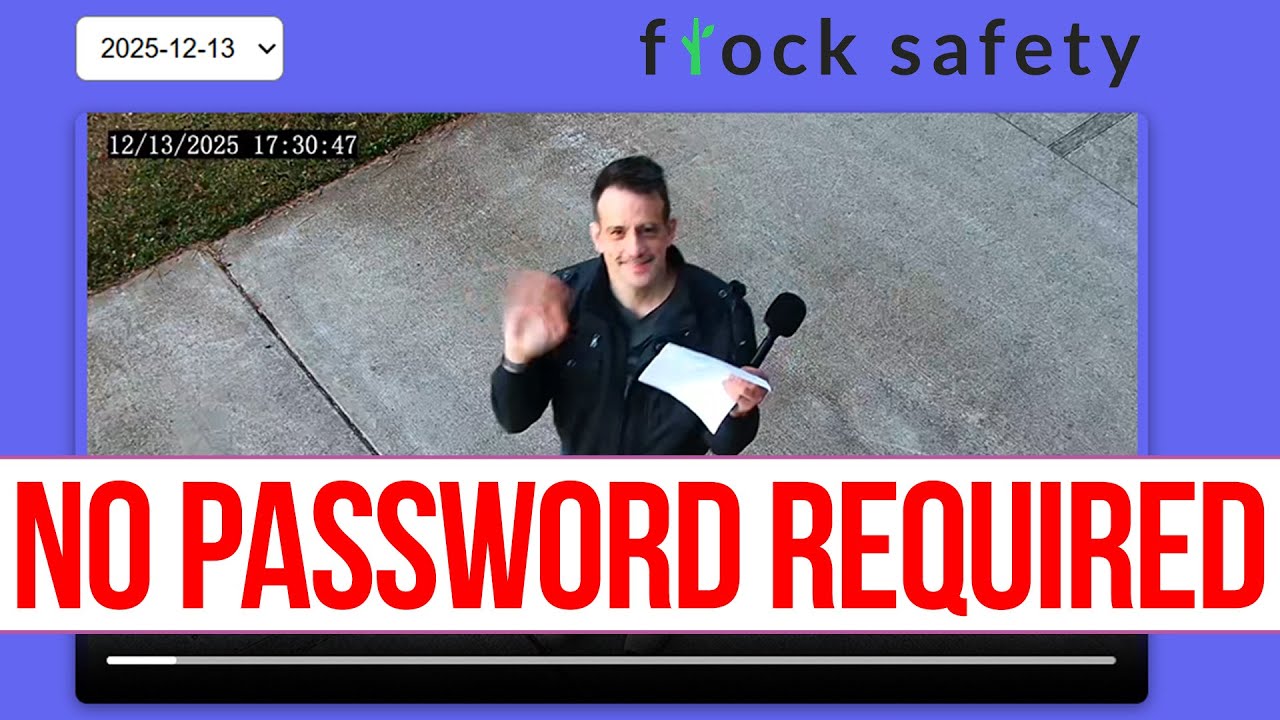
This Flock Camera Leak Is Like Netflix for Stalkers

Benn Jordan's follow-up investigation reveals that at least 67 Flock Safety Condor cameras were streaming live video to the open internet with no authentication, allowing anyone to watch real-time footage of playgrounds, parking lots, and public streets. Jordan demonstrates how trivially exposed feeds could be used to identify and track specific individuals.

We Hacked Flock Safety Cameras in under 30 Seconds
Benn Jordan Nov 18, 2025

We Hacked Flock Safety Cameras in under 30 Seconds

Security researcher and YouTuber Benn Jordan demonstrates critical vulnerabilities in Flock Safety's ALPR cameras, showing how anyone with physical access can gain full control of the device by pressing a simple button sequence. The investigation reveals hardcoded credentials, unencrypted data storage, and a police interface lacking two-factor authentication.